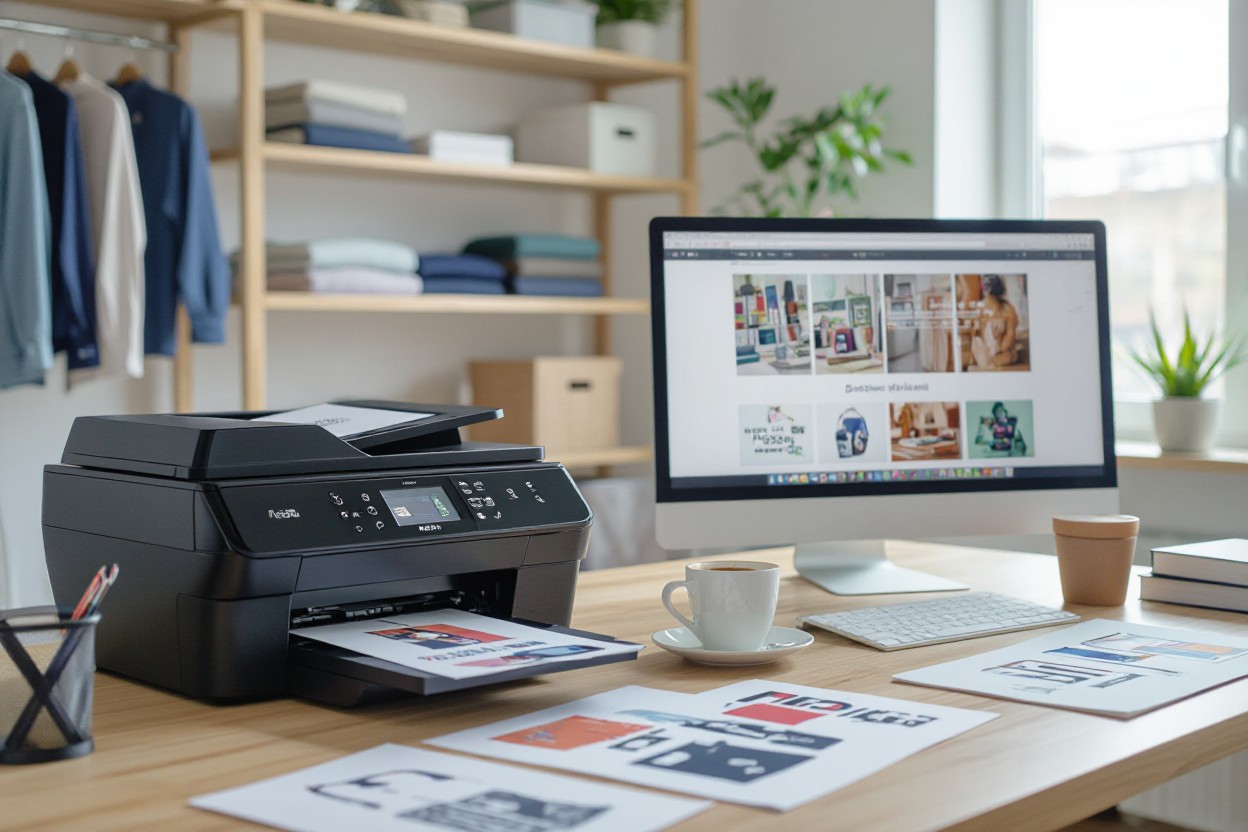
Over the past year print-on-demand has shifted toward niche personalization and sustainable products, and you can capitalize by offering top sellers like personalized apparel, eco-friendly tote bags, phone cases, wall art, mugs, home textiles, stickers, embroidered caps, fitness gear, and planners. This guide shows which bestselling print on demand products are selling fastest currently and where to sell them — marketplaces like Etsy and Amazon, your Shopify store, and POD platforms such as Printful and Redbubble — to maximize your margins and reach.
Table of Contents
Key Takeaways:
- Top-selling POD categories are personalized apparel (tees, hoodies), home decor (wall art, pillows), accessories (phone cases, tote bags), stickers/prints, and niche items (pet products, sustainable goods).
- Best places to sell depend on product and audience: Etsy and Shopify (brand control), Amazon/Printful integrations (high volume), Redbubble/Society6 (artist marketplaces), and social-commerce channels like Instagram/TikTok for direct sales.
- Maximize margins by offering personalization, bundles, premium materials, and calculated pricing (target ~30–60% net margin after fees and shipping).
- Top marketing tactics are short-form video, micro-influencer partnerships, SEO-optimized listings, UGC, and targeted paid ads focused on niche audiences.
- Operational wins: vet POD suppliers and order samples, prioritize fast fulfillment and clear returns, run small tests to find winners, then scale top-selling SKUs and seasonal drops.
Overview of Print-on-Demand
You leverage on-demand fulfillment to sell custom products without holding stock, paying only when an order ships. Production times typically run 2–7 business days and platforms like Printful, Printify, and Gelato integrate with Shopify, Etsy and Amazon to automate orders. You set retail prices and control designs, and with low startup capital—often under $100 for a basic store—you can test dozens of niches quickly while keeping gross margins commonly in the 20–50% range.
What is Print-on-Demand?
You upload artwork to a POD provider, list products in your store, and the provider prints and ships each order per transaction. This removes inventory risk and simplifies fulfillment: a t-shirt order can be printed and dispatched in 3–6 days, while heat-transfer decals or phone cases often ship faster. You handle marketing and pricing; the provider handles production, quality control, and sometimes returns, so you focus on designs and customer acquisition.
Benefits of Print-on-Demand Business Model
You reduce capital requirements and operational complexity by avoiding bulk purchases and warehousing. You can validate concepts with minimal spend, iterate on designs based on sales data, and scale globally via multiple print locations to cut shipping times and costs. You also benefit from faster product turnover—testing 30–50 SKUs per month is realistic—letting top sellers quickly identify winners and optimize their product mix.
You gain actionable levers: improve mockups to boost conversions, run targeted ads for high-ROI designs, and consolidate SKUs with best-sellers to raise average order value. Many merchants find that 5–10 core SKUs drive most revenue, so you should track metrics—conversion rate, cost-per-click, and return rate—and prioritize suppliers with consistent 95%+ on-time fulfillment to minimize customer complaints.
Top 10 Best-Selling Print-on-Demand Products
These top categories—apparel, home decor, accessories, stationery, phone cases, art prints, mugs, totes—drive the bulk of POD revenue; marketplace data shows they account for roughly 70% of platform sales in 2025. You should prioritize products with repeat-purchase potential, AOVs between $20–$120, and easy upsell paths; for example, sellers who bundle a tee, tote, and sticker see conversion lifts of 15–30%.
1. Apparel
You’ll find tees and hoodies remain dominant: graphic tees, niche fandom designs, and personalized hoodies deliver margins typically between 25–50%. Brands selling 200–500 items monthly often use Printful or Printify, leverage seasonal drops, and price tees $22–30 and hoodies $40–65 to hit target profits while keeping return rates under 5%.
2. Home Decor
Wall art, throw pillows, and canvas prints yield higher AOVs—often $60–150—and let you charge for framing or premium materials. You can test limited-edition runs or lifestyle bundles (pillow + print) to boost cart value and exploit slower return cycles compared with apparel.
Dig into print types—giclée for art buyers, wrapped canvas for living rooms—and you’ll see shipping weight and protection add $8–25 to costs; offset that by offering framed upgrades at $25–60. A seller who added framed prints reported a 35% revenue increase and 20% higher AOV, while pillows paired with seasonal prints convert 12% better on social ads.
3. Accessories
Hats, enamel pins, socks, and scarves are low-cost, high-margin add-ons that increase AOV and impulse buys; you can price accessories $8–30 with margins of 40–70%. You should use them as entry points in funnels—ads promoting a $12 enamel pin often convert at 2–4% and lead to repeat buyers.
Focus your accessory strategy on product durability and packaging: branded backing cards or eco-friendly boxes justify price premiums and lift perceived value. For instance, a designer who invested $0.50 extra per pin for premium packaging sold 1,000 pins in three months and doubled social proof, enabling a $3 price increase without hurting conversion.
4. Stationery
Notebooks, stickers, planners, and greeting cards are lightweight, low-shipping-cost items that scale well via subscriptions or bundles; stickers can carry 60–80% margins, while planners sell at $18–40. You should target niche communities—K-pop, productivity, pet owners—to drive repeat purchases and recurring revenue.
Capitalize on low fulfillment costs by offering sticker packs or monthly planner subscriptions; bundles increase AOV and retention. A shop that bundled a $25 planner with $6 sticker sheets saw a 22% lift in repeat orders over six months, and UK/EU sellers benefit from lower cross-border fees on stationery due to lighter parcels.
5. Phone Cases
Phone cases remain a consistent seller because model updates create churn; you can target new release cycles (iPhone/Android launches) and niche art styles. Typical prices range $15–35 with margins of 30–50%; personalization and bundled screen protectors improve conversions during product launches.
Optimize SKUs by stocking best-selling models and offering quick-release design templates for new phone generations. A shop that prepped cases for three new models within 48 hours of launch captured early search traffic and sold 500+ units in the first month, proving speed and inventory selection matter more than breadth.
6. Art Prints
Giclée and limited-edition art prints let you command $20–300 per piece, and collectors pay premiums for signed or numbered runs. You should offer multiple sizes, framing options, and provenance notes; artists who price small prints at $35 and limited runs at $120 report stronger margins and long-term patronage.
Leverage exclusivity: run limited drops, promote artist bundles, and use certificates of authenticity to increase perceived value. A gallery-style POD shop that released monthly limited editions increased repeat purchase rates by 28% and average order value by adding optional archival paper and framing for an extra $40–80.
7. Mugs
Mugs are perennial gifts with big holiday spikes—expect November–December sales to jump 200–300% for themed designs. You can price mugs $12–25, offer enamel or insulated variants, and bundle them with gift wrap to lift AOV; personalization and seasonal campaigns drive most volume.
Offer premium options (ceramic vs. stainless steel, color-change prints) and time promotions around gift holidays. A seller who introduced a holiday-themed mug bundle (mug + coaster) saw conversion double during Black Friday, and personalized orders tend to have lower return rates and higher customer satisfaction scores.
8. Tote Bags
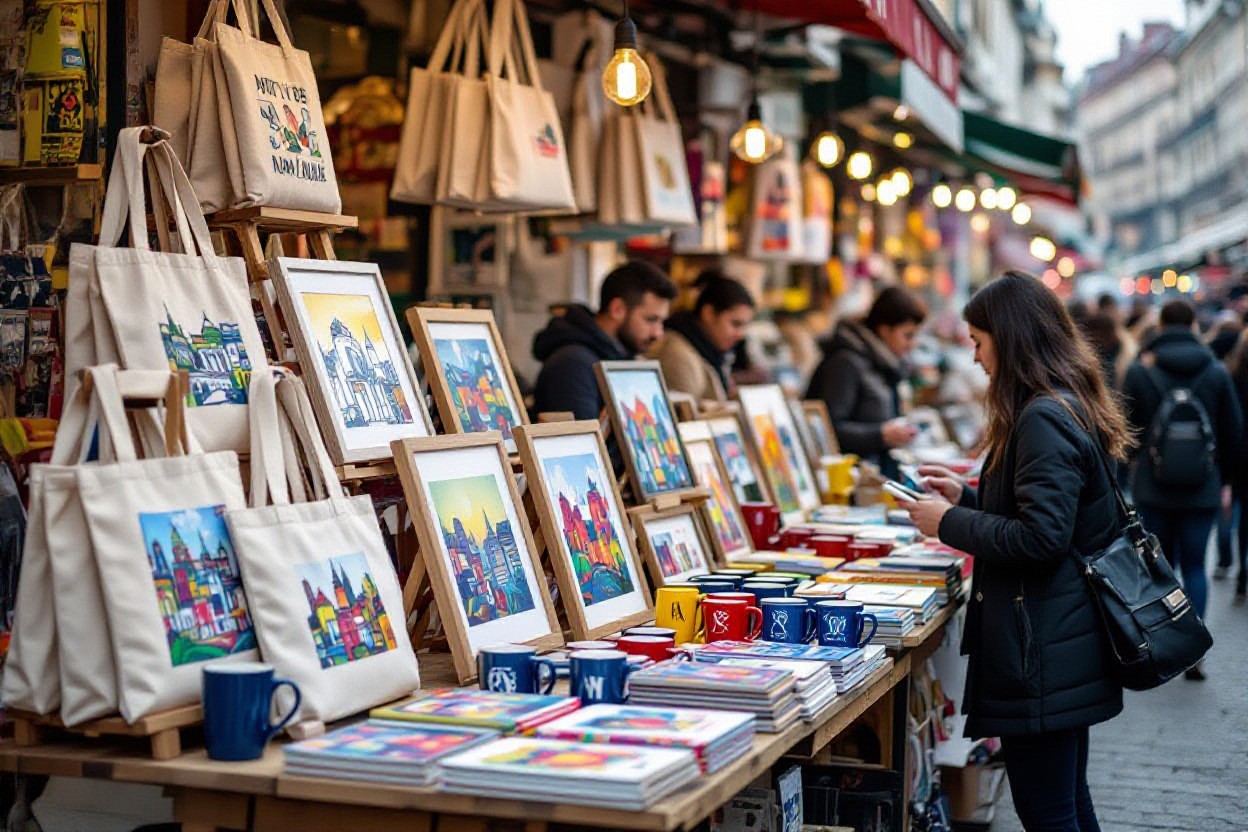
Totes appeal to eco-conscious shoppers and event merch buyers; ethically sourced cotton or recycled totes let you charge $12–30 with 35–60% margins. You should target retail collaborations, farmers’ markets, and influencer drops where bulk or wholesale orders (100+ units) are common.
Differentiate with fabric weight, print placement, and certifications (GOTS, recycled content). A nonprofit that launched a campaign-sourced tote at $15 sold 2,000 units and used wholesale leads to secure three brick-and-mortar stockists; adding reinforced stitching allowed a $2 premium and reduced complaints.
9. Custom Merchandise
You design for apparel, accessories, and branded home goods—hoodies, enamel pins, mugs, phone cases—and plug them into Printful, Printify or Gelato to sell through Shopify, Etsy or Amazon; many sellers report bestsellers delivering $8–25 net profit per item, and you can test 10 designs with no inventory to find the 1–2 that drive 70% of revenue. Optimize mockups, A/B test pricing, and bundle top sellers to lift average order value.
10. Eco-Friendly Products
You prioritize organic cotton tees, recycled-polyester hoodies and compostable mailers to tap the sustainability premium; platforms like Printful and Printify list eco SKUs and water-based inks, letting you charge $5–15 extra per item—case studies show small shops raising conversion and retention after adding sustainable options. Test a 3-piece eco capsule, promote materials and carbon offsets, and track repeat rate to measure uplift.

Where to Sell Print-on-Demand Products
You can split distribution across channels to maximize reach and margin: leverage high-traffic marketplaces for discovery, run your own store for full-brand control, and push impulse buys on social platforms. For niche selection and product ideas that convert, consult The Top 15 Print-On-Demand Niches for 2025 to match designs with audience demand and seasonality.
Online Marketplaces
You’ll find instant exposure on Etsy, Amazon Handmade, eBay, Redbubble, and Zazzle, which handle search, payments, and trust signals for you; use tight keywords, optimized photos, and competitive pricing to win the “best-sellers” slots. Expect higher competition and marketplace fees, but benefit from built-in buyer intent—especially for gifts, pet items, and trend-driven apparel.
E-commerce Platforms
You can build on Shopify, BigCommerce, or WooCommerce to integrate Printful, Printify, or other POD apps, giving you full-branding, custom UX, and control over pricing and promotions; trade-off is you must drive traffic via ads, SEO, and email. Use product bundles and A/B-tested landing pages to lift conversion rates.
More specifically, connect your POD app for automated fulfillment, enable variant-specific mockups, and set up analytics (GA4, Meta Pixel) to track ROAS; implement upsells and abandoned-cart flows to increase average order value and recapture up to 20–30% of potential sales.
Social Media Channels
You should use Instagram (2B+ users), TikTok (1B+ users), and Pinterest for visual storefronts and discovery; shoppable posts and stories let followers buy without leaving the app, while short-form video drives trends and rapid sell-outs for limited drops. Prioritize UGC and micro-influencer partnerships to scale authentic reach.
For deeper impact, run catalog-based Meta and TikTok ads, track conversions with pixel events, and test live shopping or creator-led promotions; UGC-driven campaigns often reduce CPMs and can double engagement versus branded-only content.
Customized Websites
You’ll get higher margins and brand loyalty with a custom site on a CMS or hosted platform, controlling SEO, content, and customer data; traffic builds slower but yields repeat buyers if you invest in email, loyalty programs, and content marketing. Use a clean checkout and clear shipping policies to lower cart abandonment.
Operationally, integrate your site with POD providers for automated fulfillment, run segmented email flows (welcome, browse-abandon, post-purchase), and perform monthly CRO tests—small tweaks to copy, CTA color, or product imagery can lift conversions by measurable percentages.
Marketing Strategies for Print-on-Demand
You should split your budget across discovery, conversion, and retention channels, testing creatives and audiences weekly. Start with short-form video for reach, paid social for scaling winners, and email for repeat purchases; aim to move winners from 0.5–1% conversion on cold traffic to 2–3% on retargeting. Use UTM-tagged campaigns and a simple KPI dashboard (CAC, ROAS, CLV) to decide which SKUs to expand into new colorways or bundles.
Social Media Marketing
You’ll prioritize TikTok and Instagram Reels for discovery—TikTok has over 1 billion monthly users and drives rapid viral lift—while using Pinterest for product-intent traffic. Post a mix of 2–5 short videos weekly, 3–7 static posts, and schedule daily Stories for engagement. Run 3 creative variants per ad set, pause losers after 3–5 days, and scale winners by 2–3x to control CPMs and improve ROAS.
Influencer Collaborations
You can leverage tiered influencers: nano (1k–10k) often deliver 4–8% engagement, micro (10k–100k) 2–4%, and macro (100k+) 0.5–1.5%. Offer product seeding for authentic UGC or paid posts—expect to pay $50–$500 for nano/micro product-for-posts and $200–$5,000+ for targeted sponsored content. Track performance with unique links and promo codes to attribute sales precisely.
You should structure partnerships for measurable outcomes: use 10–30% affiliate commissions or fixed-fee + bonus for sales milestones, require 30-day exclusivity on shared assets, and obtain UGC rights for ads. Run short pilot campaigns (2–4 weeks) with 5–10 creators, compare CPL and AOV, then convert top performers into long-term brand ambassadors to lower CAC and increase repeat purchase rates.
Content Marketing
You’ll focus on buyer-intent SEO and conversion-focused guides—publish 1–3 pillar posts per month (1,500–2,500 words) targeting keywords like “custom enamel pins wholesale” or “best print-on-demand hoodies 2025.” Pair each post with 1–2 short videos and a product landing page. Use internal links and schema to boost CTR from SERPs and expect branded long-tail content to drive higher intent visits that convert at 2–4%.
You should repurpose long-form posts into email sequences and social clips, and run a 3–5 email welcome series that segments by product interest. Aim for 20–25% open rates and 2–5% click-through on targeted flows; optimize subject lines and one clear CTA per email to move subscribers from content to checkout faster.
Challenges in the Print-on-Demand Business
Competition
You face saturated niches where thousands of similar listings compete for attention; average ecommerce conversion rates hover around 2%, so traffic matters more than ever. You’ll need sharp SEO, niche-specific designs, and paid acquisition—expect ad costs of roughly $0.50–$2 per click on Meta for apparel—to break through. Case studies show niche-focused stores that laser-target subcultures often outperform broad-themed shops by doubling conversion rates.
Quality Control
You deal with inconsistent prints, color shifts, and sizing variances that drive returns—apparel return rates can approach 15–25% in some segments. You must order samples before listing, document tolerances for print placement, and set clear return policies to protect margins and brand reputation.
You should set measurable QC KPIs (defect rate under 1% for scalable sellers) and require pre-production samples and tech packs from suppliers. Use Pantone swatches or physical color references, request production photos for every batch, and audit suppliers quarterly. When a provider fails your standards, have an approved backup to avoid downtime and lost sales.
Shipping and Fulfillment
You wrestle with fulfillment lead times and variable shipping costs that impact customer experience; typical POD lead times run 4–14 days plus shipping, while expedited options cut delivery to 2–5 days at higher cost. You’ll need transparent shipping windows on product pages to set expectations and reduce disputes.
You should diversify providers (domestic + EU/US hubs), enforce SLAs like 48–72 hour order processing, and enable real-time tracking in checkout. Offer region-based fulfillment to shave days off delivery, factor duties/VAT into pricing for cross-border sales, and set a free-shipping threshold to balance conversion with margin pressure.
Future Trends in Print-on-Demand
Sustainability
You’ll see eco-first choices move from niche to standard: recycled polyester, organic cotton, and water-based pigment inks are now offered by main POD platforms like Printful and Printify, plus certifications such as GOTS and OEKO-TEX are used to signal credibility. Supply-chain changes—closed-loop dyeing, regional fulfillment, and better size-fit tools—let you cut downstream waste and appeal to the growing segment that prioritizes low-impact apparel.
Technological Advancements
You can leverage faster DTG and pigment printers, automation in fulfillment centers, and AR/3D product previews to shorten lead times and lower returns; established hardware players like Kornit and Epson are driving industrial DTG quality while platforms integrate order-routing APIs so you run an inventory-light operation across multiple factories.
Delving deeper, AI-driven design tools and automated color management (ICC profiles) let you generate on-brand mockups and hit predictable color matches, while robotics and conveyorized finishing reduce per-item handling. Integrations with Shopify/BigCommerce APIs enable automatic routing, tracking, and multi-factory failover so you scale from a few SKUs to thousands without manual order juggling.
Personalization
You’ll increasingly offer true mass customization: variable-data printing, SVG template layers, and runtime personalization let customers add names, dates, or images at checkout. Platforms support on-the-fly previews and personalized SKUs via API, so you can monetize uniqueness and improve conversion by offering tangible customization without large inventory risk.
Practically, implement personalization by using template-based workflows (text layers, font subsets, positioning rules) and server-side rendering to produce print-ready files; batch similar personalization jobs to optimize print runs, monitor lead-time impacts, and ensure compliance with data rules (GDPR) when storing customer inputs.
Final Words
As a reminder, you should focus on niche appeal, consistent quality, and reliable suppliers when selling the 10 best-selling print-on-demand products in 2025; test designs, optimize listings, diversify platforms (Etsy, Shopify, Amazon, marketplaces), analyze metrics to scale your winners, and protect margins through smart pricing and cost control so your business grows sustainably.